 Anisha Sahu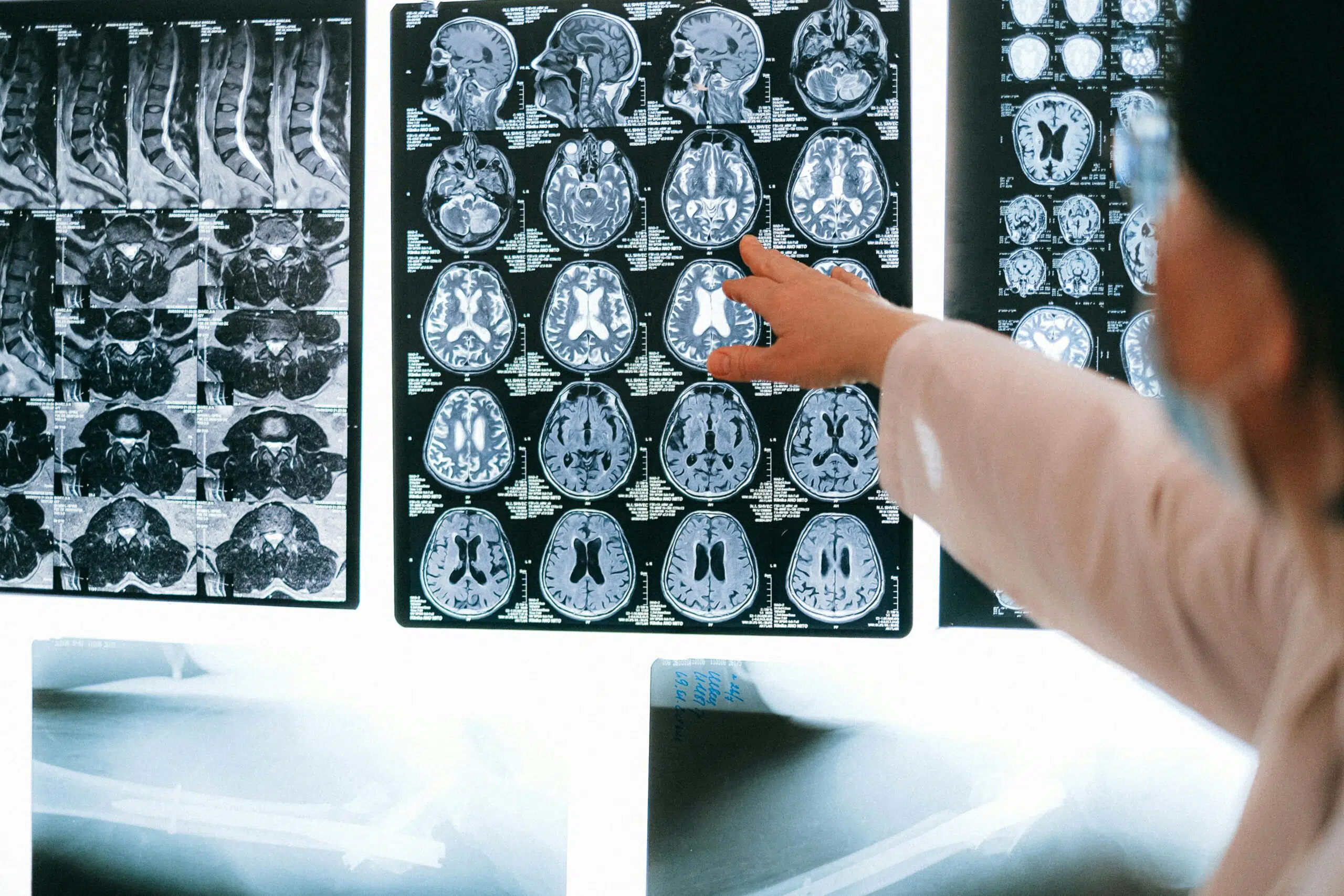
Most people often confuse themselves when it comes to “brain aneurysm vs stroke” all the time. It;s understandable how easy it is to see why. Since, they both sound scary and have something to do with your brain’s blood vessels getting damaged. But honestly, they’re not the same at all. Each has its own causes, its own set of warning signs and are differently life-threatening if left unattended. Knowing what’s what could actually save one’s life if things go sideways.
So, let us just break it to you in simple terms. We’ll discuss brain aneurysm vs stroke. By the time you finish reading, you will know what makes an aneurysm an aneurysm, what happens during a stroke and how you can spot the difference before panic mode sets in.
Brain Aneurysm vs Stroke: What’s Actually Happening?
Basically, in layman’s language, both are about your brain’s blood vessels throwing a tantrum but the why and how are totally different.
So, What’s a Brain Aneurysm Anyway?
Imagine this: there is a weak spot on a blood vessel in your brain, like a thin area on a bike tire. It begins to bulge out. Most of the time, you’d never know it’s there until it bursts. And what happens when it does? It can cause bleeding in your brain (that’s a hemorrhagic stroke) which is as scary as it sounds. Cue the worst headache of your life, vision going haywire, or in serious cases, just blacking out completely.
What is a Brain Stroke?
Alright, let’s cut through the medical terms and try to understand this.
So, a stroke? It’s not your everyday headache—it’s like your brain’s getting attached out of nowhere. Sometimes a stroke results from a clot obstructing blood flow (known as an ischemic stroke) or from a blood vessel bursting and leaking (called a hemorrhagic stroke). There’s typically no heralding it just shows up. During a stroke, you can’t lift your arm or your face is sagging or your speech is slurring. It’s scary and serious and you need to be in the hospital immediately.
And, brain aneurysms vs strokes? Both are terrifying but not identical. They are like distant relatives with different problems. It is important to know the difference.
Brain Aneurysm vs Stroke: What’s the Deal?
Sure, both send you to the ER but the way they can happen is totally different.
Causes
Aneurysms are basically weak spots in your blood vessels like a worn patch on your favorite jeans but you know it’s way more dangerous. High blood pressure, chain-smoking or just bad genetic history can all play a part in this.
Strokes? Most of the time, it’s a clot blocking the blood flow (that’s the common one) or a blood vessel popping and spilling everywhere (less common but still awful). Health issues like diabetes, heart problems or just not taking care of yourself can up your odds.
Symptoms
Aneurysms are next level silent troublemakers. You’ll never know you’ve got one until it bursts. When that happens, the headache is next-level, think “worst pain of your life” You might throw up, have a stiff neck. It’s a serious and panicky situation.
Strokes are way more sudden and dramatic. Out of nowhere, you might not be able to lift your arm, one side of your face droops and your speech becomes slurred. These are classic warning signs of brain aneurysms vs strokes.
Diagnosis & Treatment
How do medical professionals figure out which condition you’re dealing with? Through scans. A lot of scans. CT, MRI, angiogram.
For aneurysms, they might go in and fix it before it blows. But for strokes they’ll try to bust the clot or, if it’s bleeding, do their best to stop it.
How to Not End Up There
Do you want to ? Here’s what you should do:
– Keep your blood pressure under check regularly.
– Avoid smoking.
– Eat food that’s actually good for you with less salt, less fat.
– Get up and move your body.
– Chill out sometimes and don’t pack on the pounds.
– Don’t skip your doctor visits, especially if there’s a history of brain-related issues.
Need-to-Know Facts
- About 1 in 50 people have a brain aneurysm occurring roughly every 18 minutes.
- Strokes are eighty-seven percent caused from blood clots not leaks in the brain.
- Always remember if the face starts to droop, arms feel weak and speech gets stuttery, it’s necessary to seek medical assistance right away.
- Bleeding aneurysms don’t happen all the time but when they do, can cause strokes, brain damage or even death.
Wrapping Up on brain aneurysm vs stroke
Coming to the bottom line? Knowing the difference between a brain aneurysm vs stroke could literally save your life or someone else’s. Both affect the human brain, both are emergencies, but they’re not the same condition. Don’t brush off the warning signs. Get help without any hesitation. And now you’re aware of serious conditions that your brain will thank you for later (assuming it’s still working.)


 Nikhilesh Chavda